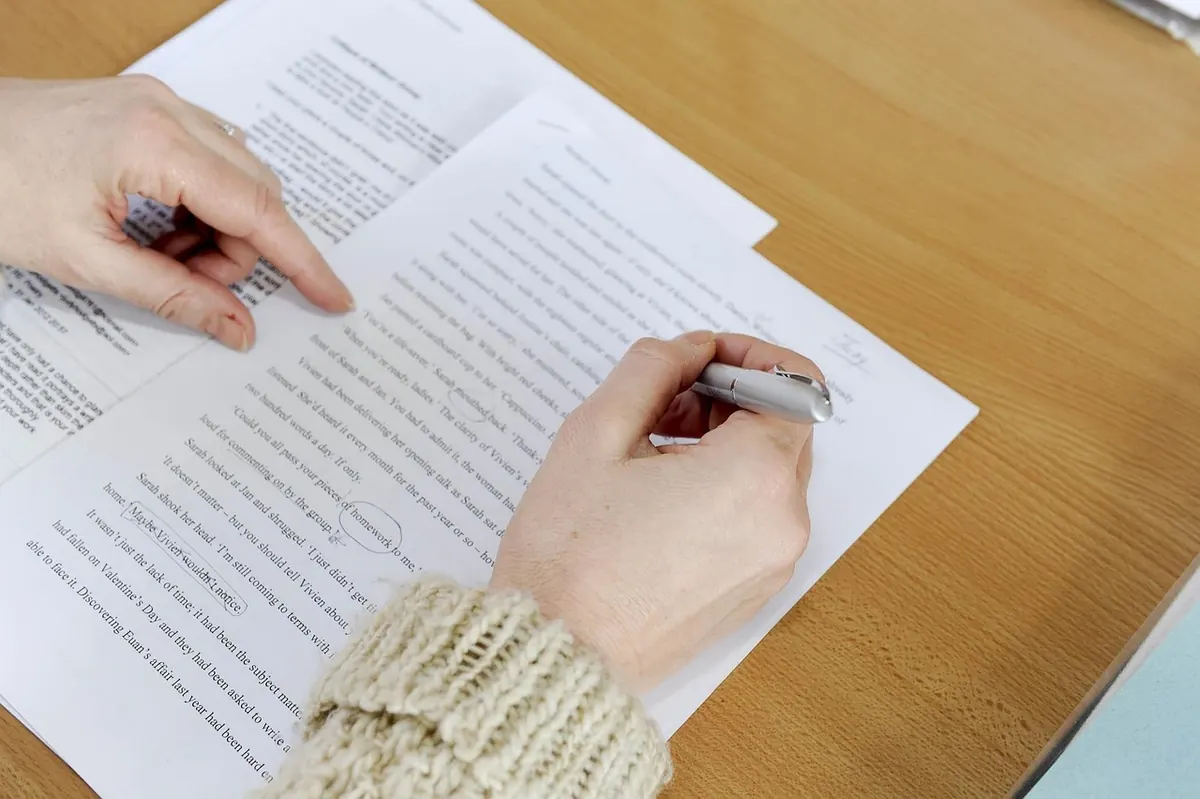
Submitting to UK Literary Agents: A Seasonal Timeline for Debut Novelists
A month-by-month guide to when UK literary agents are busiest, how long replies take, and how to plan your...


You've been there. Twenty minutes into a session, your balance is down 60%, and the player two seats over just hit a 500x bonus on the same game. Same slot, same stake, wildly different outcomes. Most players blame luck and move on. But there's an actual mechanic behind that gap, and understanding it will change how you pick games, size your bets, and judge whether a session went badly or just normally. It's called volatility, and it's the single most misunderstood number in the iGaming world.
Volatility (sometimes called variance) describes how a slot distributes its payouts over time. Every slot has a built-in return-to-player percentage, typically somewhere between 94% and 97% on regulated platforms. That number tells you what the game pays back over millions of spins. It tells you almost nothing about what happens in your next 200 spins.
Volatility fills that gap. A low-volatility slot pays small amounts frequently. A high-volatility slot pays rarely, but when it does, the amounts are enormous. Both can have identical RTP. The difference is the ride.
Here's the part most players miss: volatility and RTP are independent. A high-volatility slot with 96.5% RTP is not "better" or "worse" than a low-volatility slot at 96.5%. It's just a different shape of the same math.
Your bankroll size should dictate which volatility you play, not your mood. Consider a simple framework: your session bankroll should cover at least 200-300 bets on medium volatility, and 400+ bets on high volatility. Why? Because variance needs room to breathe.
Say you have $100 and you're betting $1 per spin. On a low-volatility slot, that's 100 bets — thin, but survivable for a short session. On a high-volatility slot at the same stake, you're realistically looking at stretches of 50-80 dead spins. That's most of your bankroll gone before the game has any chance to deliver a bonus.
Three practical adjustments:
This is also why bonus terms matter so much. A 40x wagering requirement on a high-volatility slot with a $50 bonus is a mathematical trap for most players. The same requirement on a low-volatility game is far more achievable because your balance erodes slowly.
Volatility isn't a slot-only concept, it just wears different clothes elsewhere. For up-to-date information, visit slot deposit dana.
In blackjack, basic strategy gives you roughly a 99.5% RTP with very low variance per hand. Card counting raises expected value but also raises variance — you're betting more when the deck is rich, which means swings get sharp. In baccarat, the banker bet has a house edge near 1.06% and low volatility; the tie bet is the opposite, with a brutal 14%+ edge and long droughts.
Poker is the outlier. It has no house edge in the same sense — you're playing against other people, and the rake is the cost. But variance in poker is enormous, especially in tournaments. A skilled MTT player can go 50+ tournaments without a final table and still be profitable long-term. Cash games smooth this out, which is why bankroll management in poker is measured in buy-ins: 20-30 buy-ins for cash games, 100+ for tournaments. The logic is identical to slots — you need enough runway to survive the downswings that skill can't prevent.
Reputable casinos and providers publish volatility ratings, but they're not standardized. One studio's "high" is another's "medium." A more reliable approach is checking third-party slot review sites that test millions of spins and report actual max win caps, hit frequency, and RTP variants. Watch for these red flags:
One more tip: many modern slots let you buy bonuses directly. This is essentially volatility on demand. Buying a bonus at 100x your stake compresses thousands of spins of variance into one event. It's thrilling and it's also the fastest way to torch a bankroll if you don't understand the expected value. Always compare the buy price to the game's stated RTP — if a bonus buy costs 100x and the slot's RTP on buys is 96%, you're paying a 4% premium for instant action.
None of this makes you a winner. The house edge always wins over time, and no volatility strategy changes that. What it does is keep you in the game long enough to enjoy it, and stop you from misreading a normal downswing as bad luck or a rigged game.
If you session $50 on a 10/10 volatility slot at $1 spins, you will lose that $50 most of the time. That's not the casino cheating you — it's the math you signed up for. If you want longer sessions with more frequent small wins, pick low or medium volatility. If you're chasing a screenshot-worthy hit and you've already accepted the money is gone, high volatility delivers exactly that experience, occasionally.
The players who last in iGaming aren't the ones chasing the biggest multipliers. They're the ones who match their stakes to their bankroll, understand what kind of variance they're buying into, and walk away when the session budget is spent. Volatility isn't a flaw in the system. It's the system. Learn to read it, and you'll stop being surprised by the spin that empties your balance — because you'll have seen it coming.
A month-by-month guide to when UK literary agents are busiest, how long replies take, and how to plan your...
A practical UK-focused comparison of traditional and self-publishing, covering costs, timelines, rights...
A practical British English copyediting checklist for fiction: UK spelling, punctuation, dialogue...